Lot: 320
Henry van de Velde
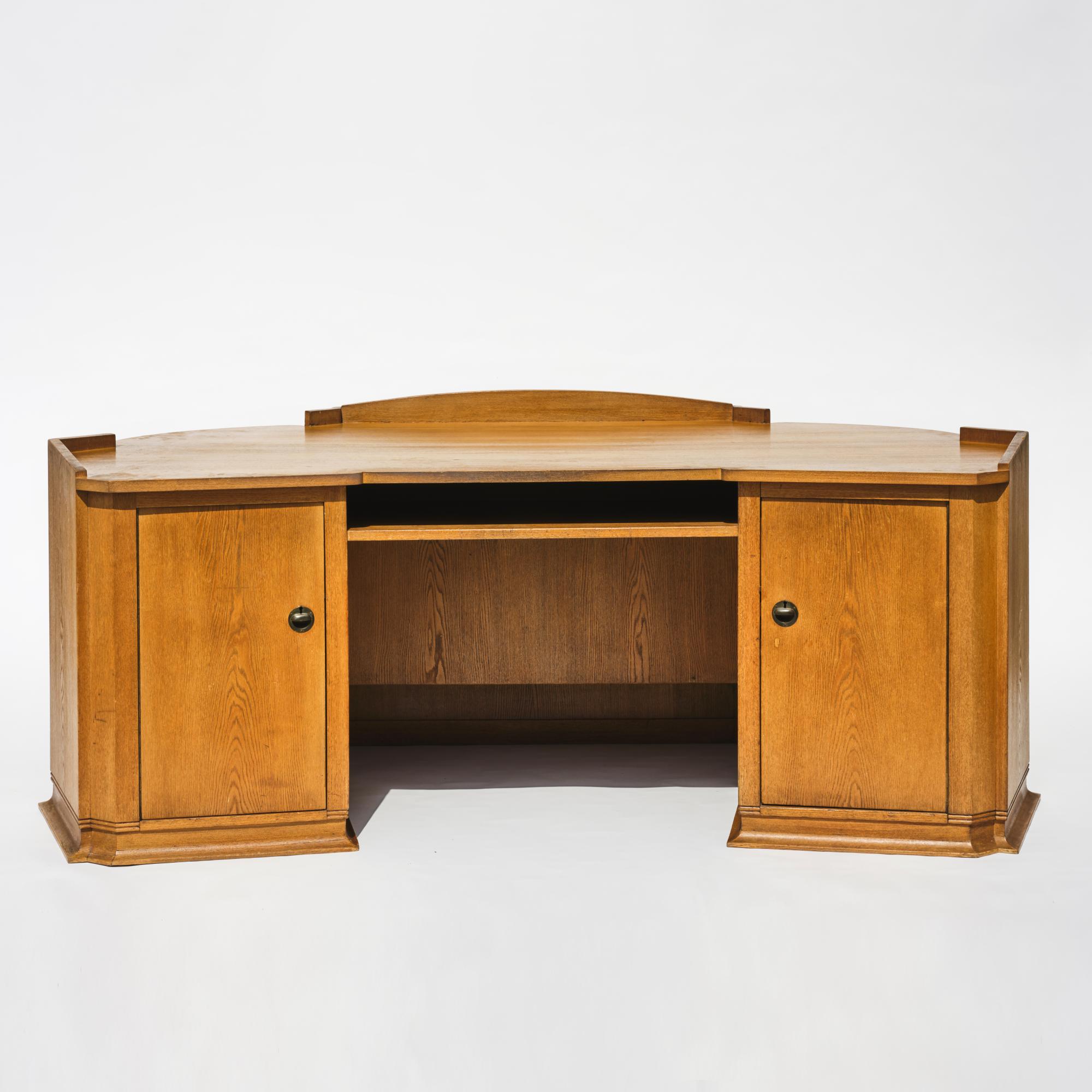
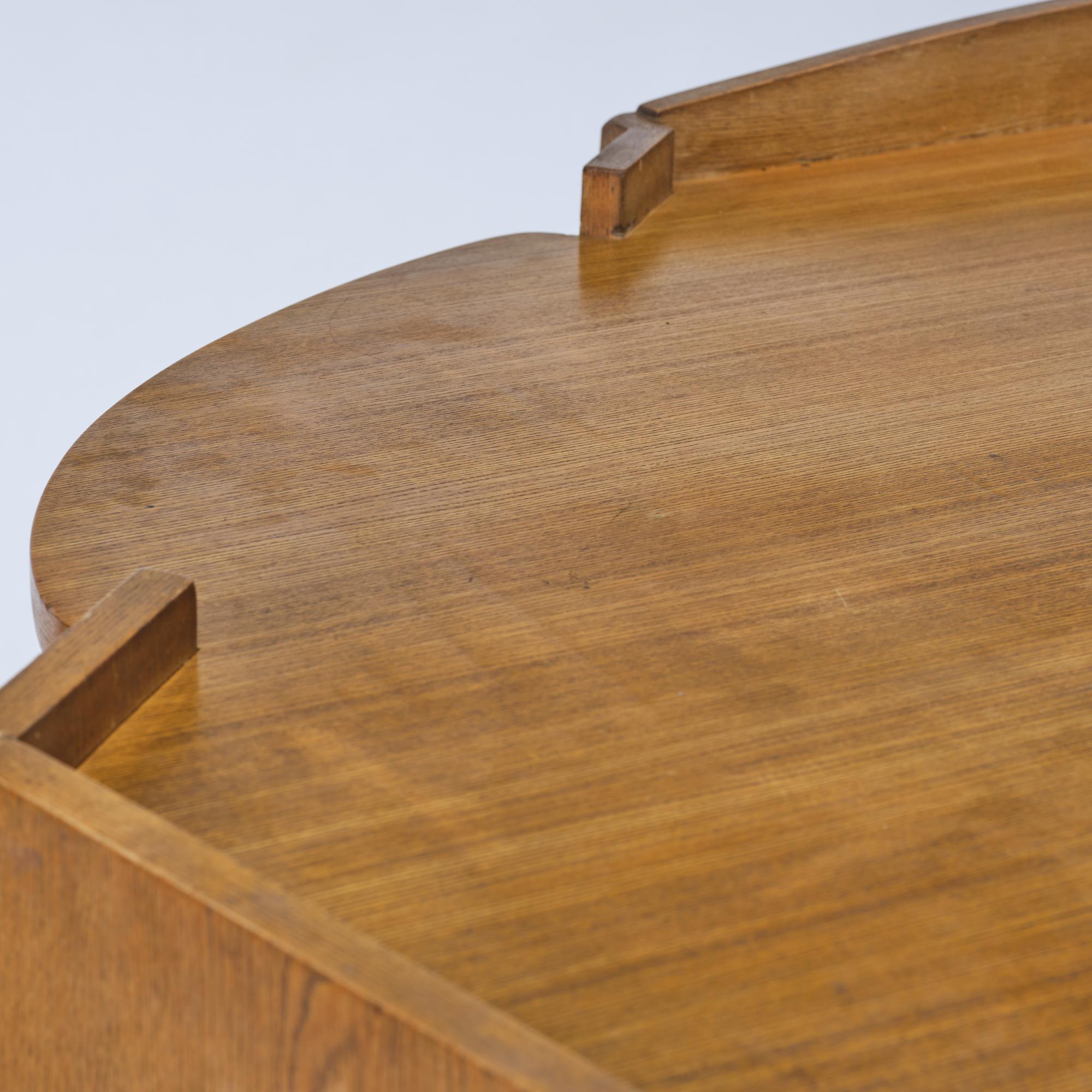
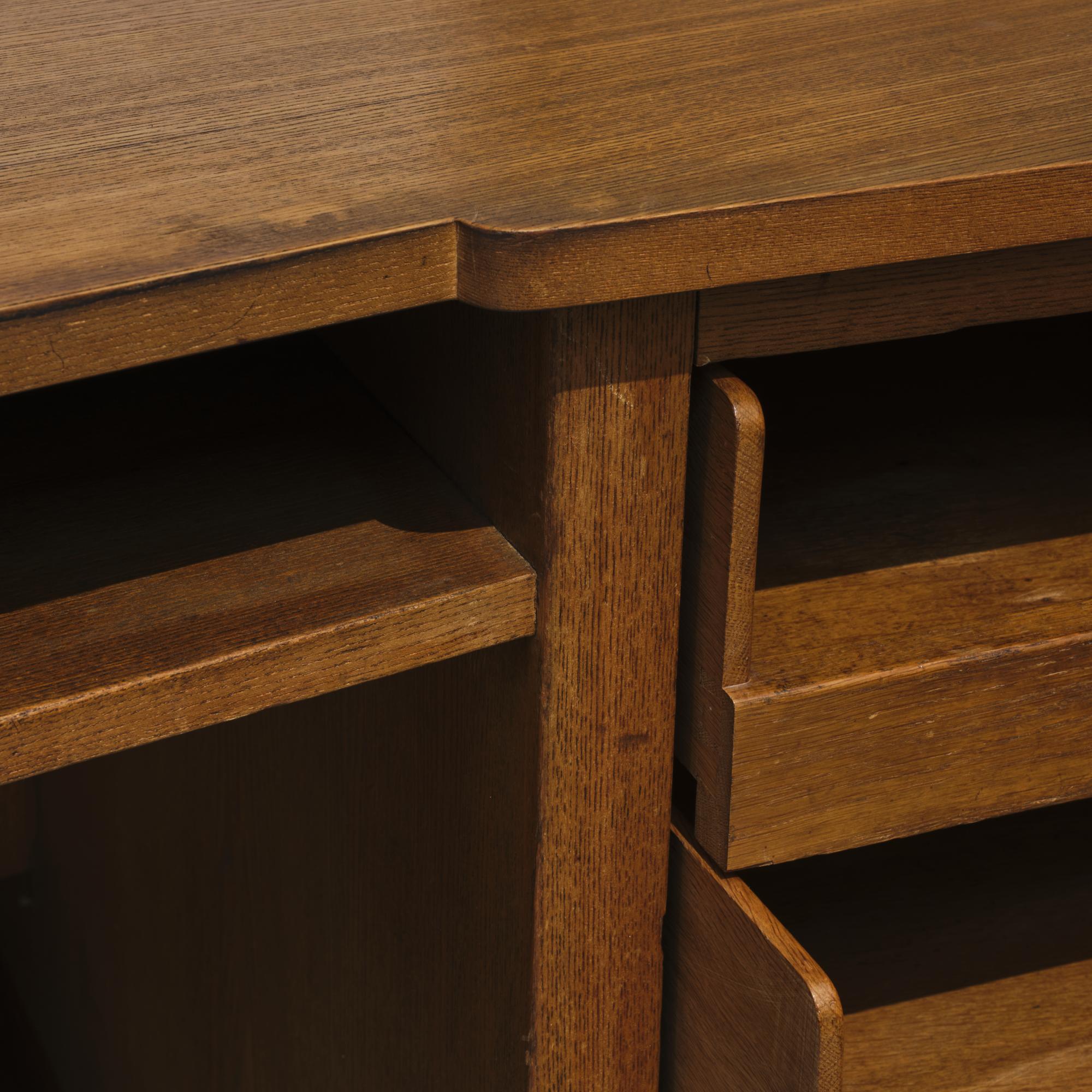
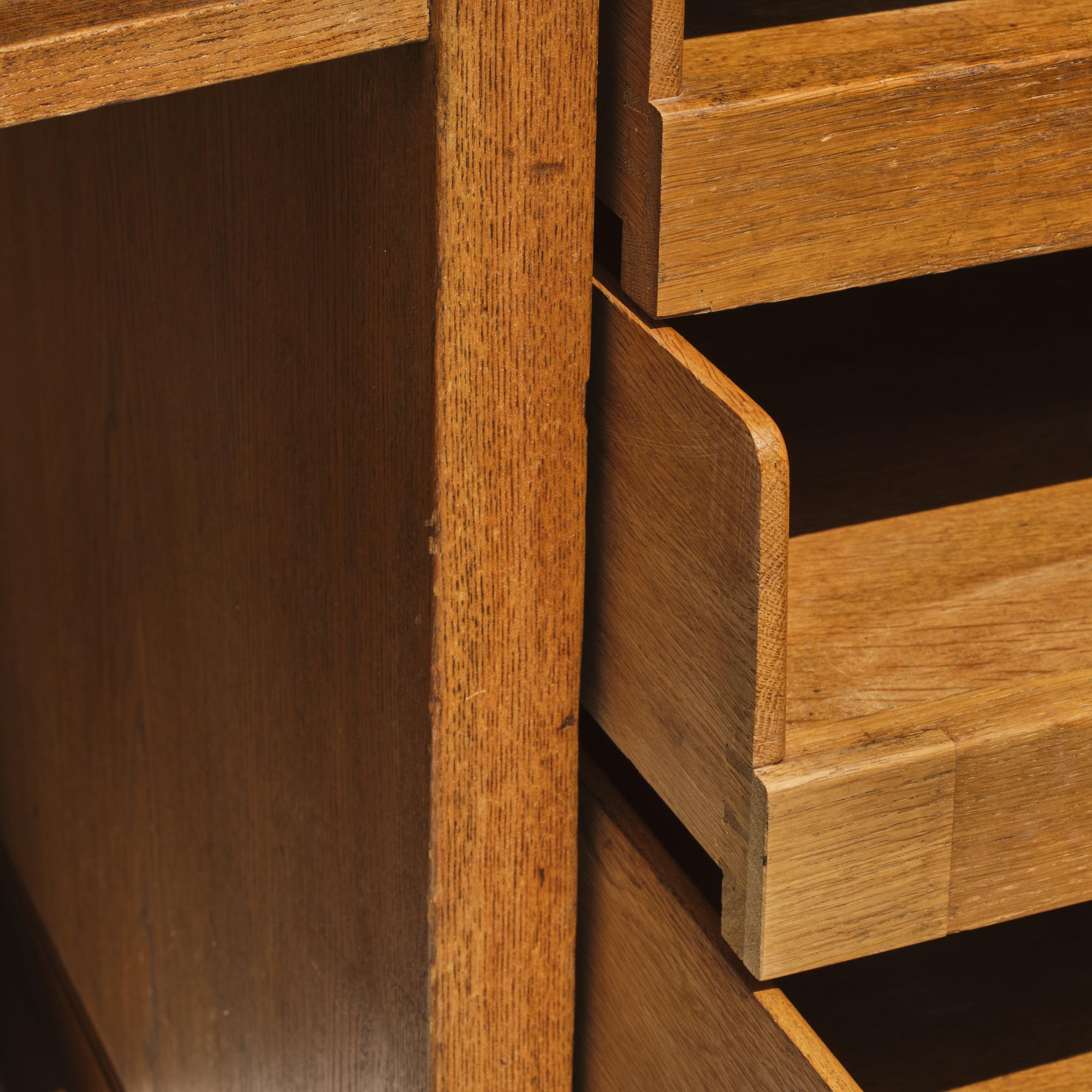
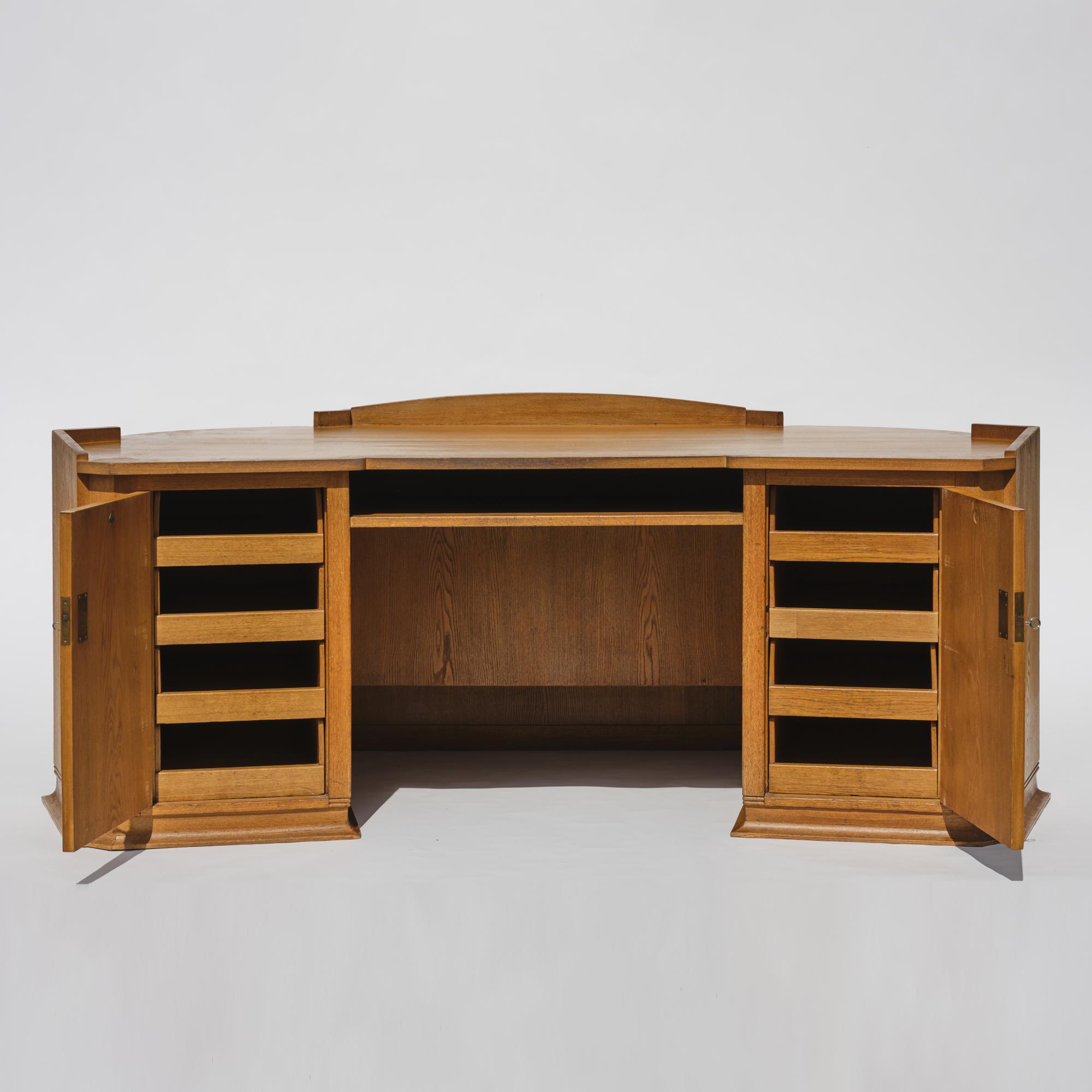
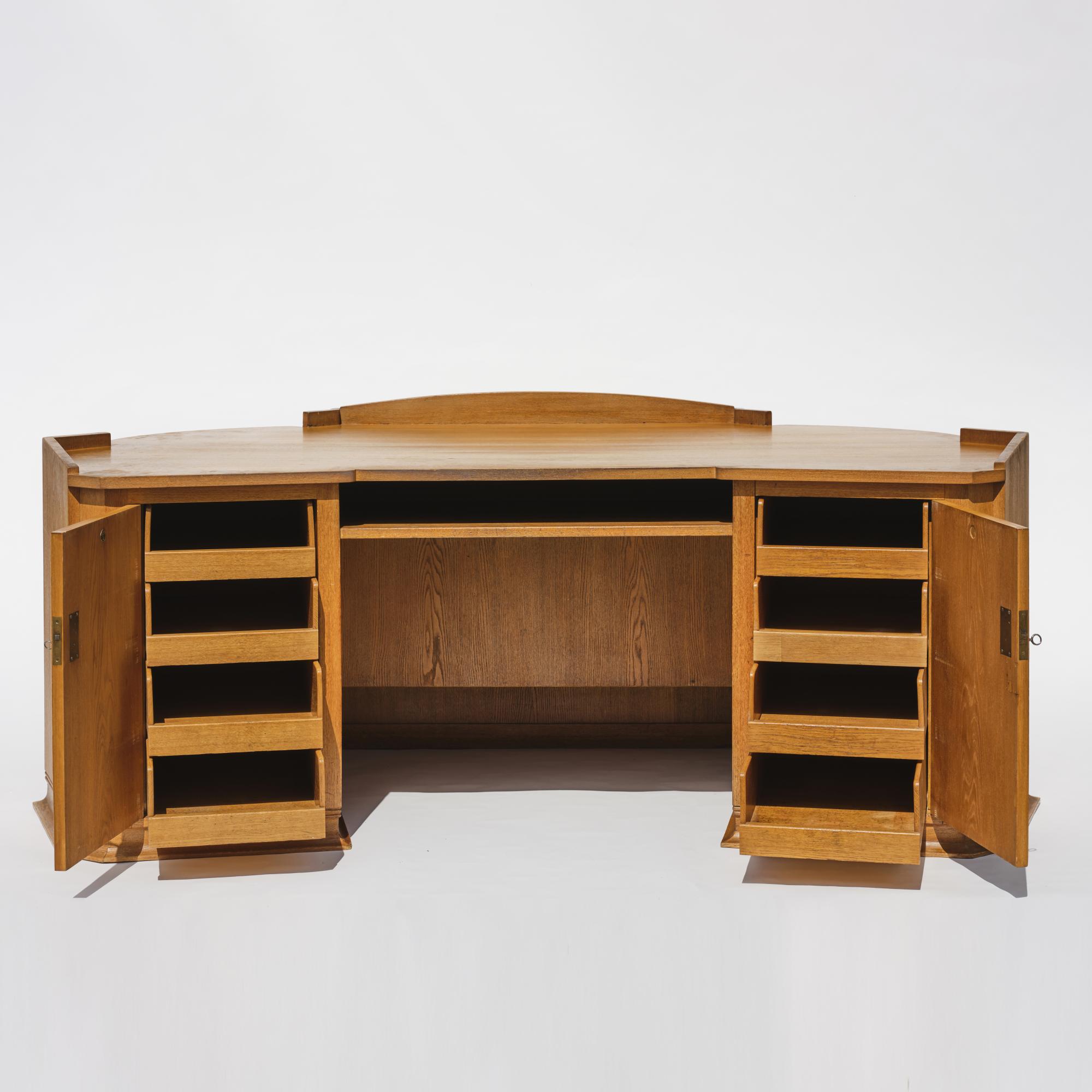
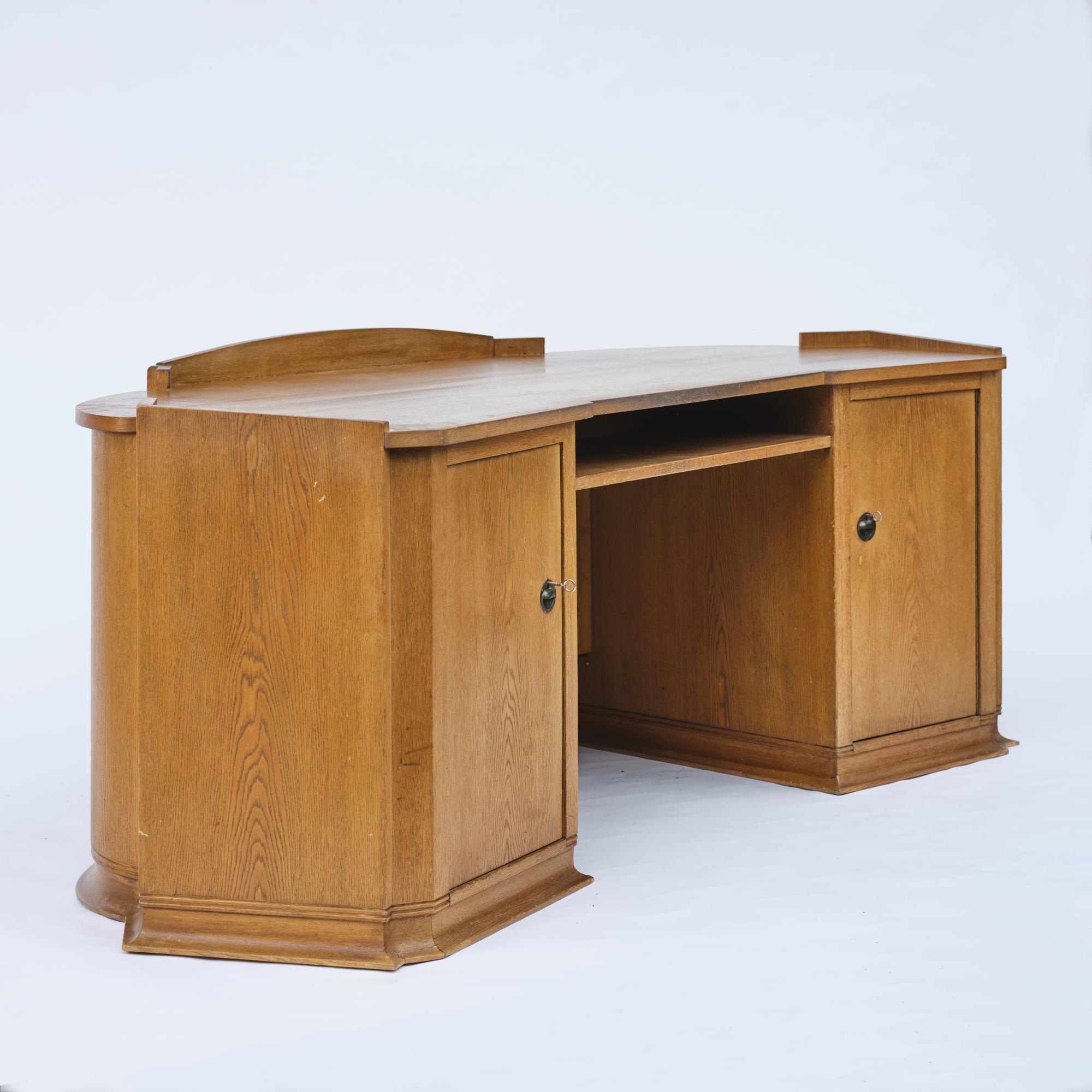
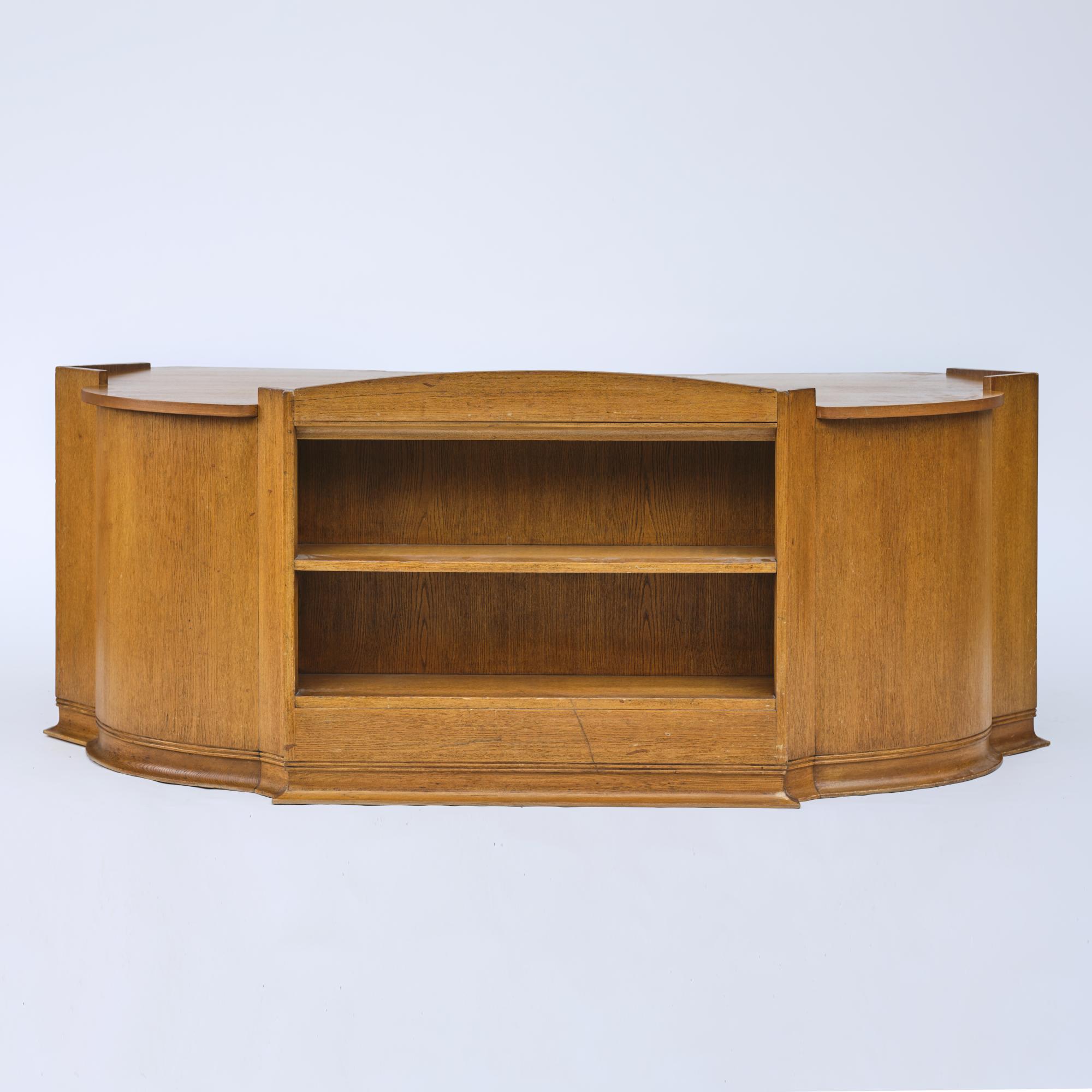
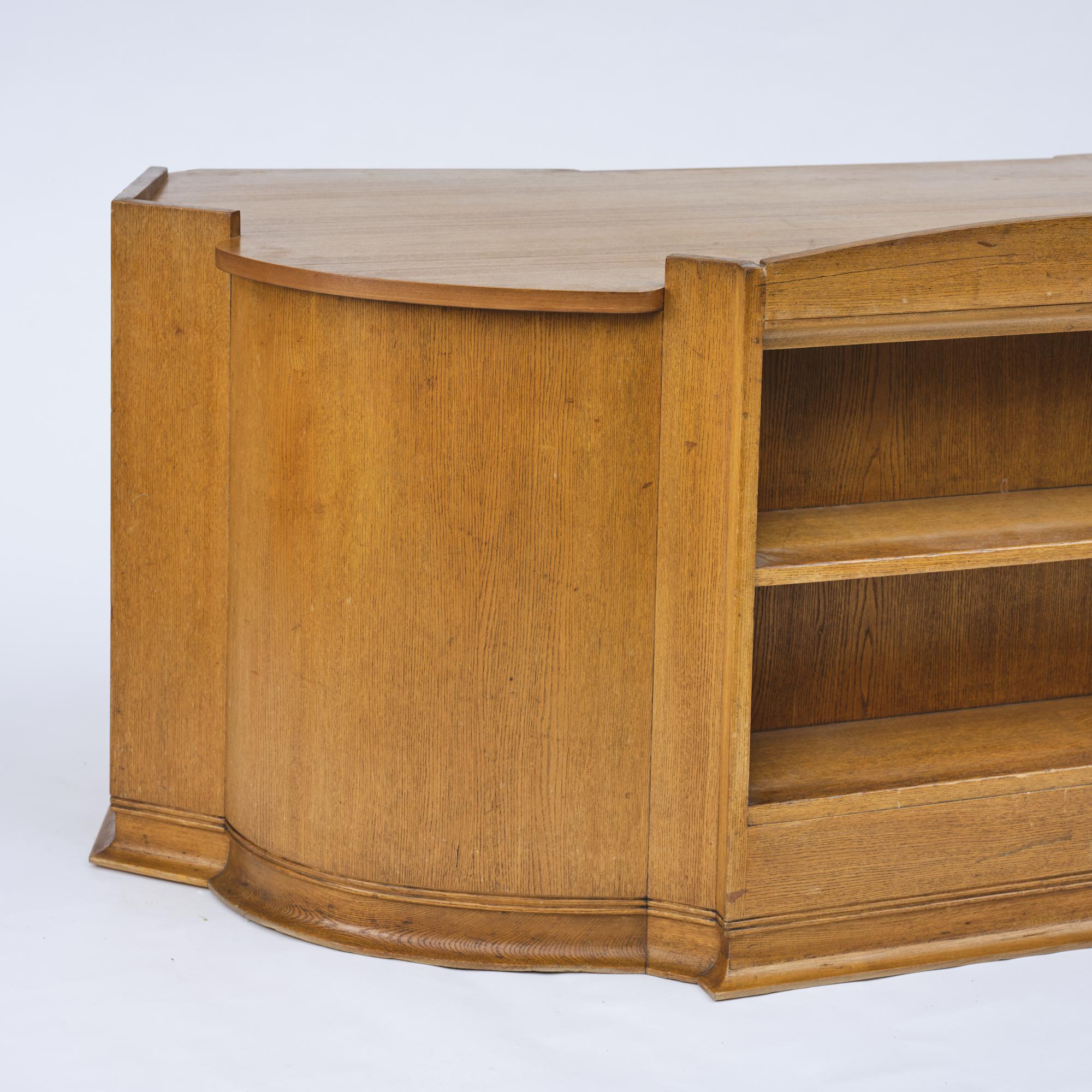
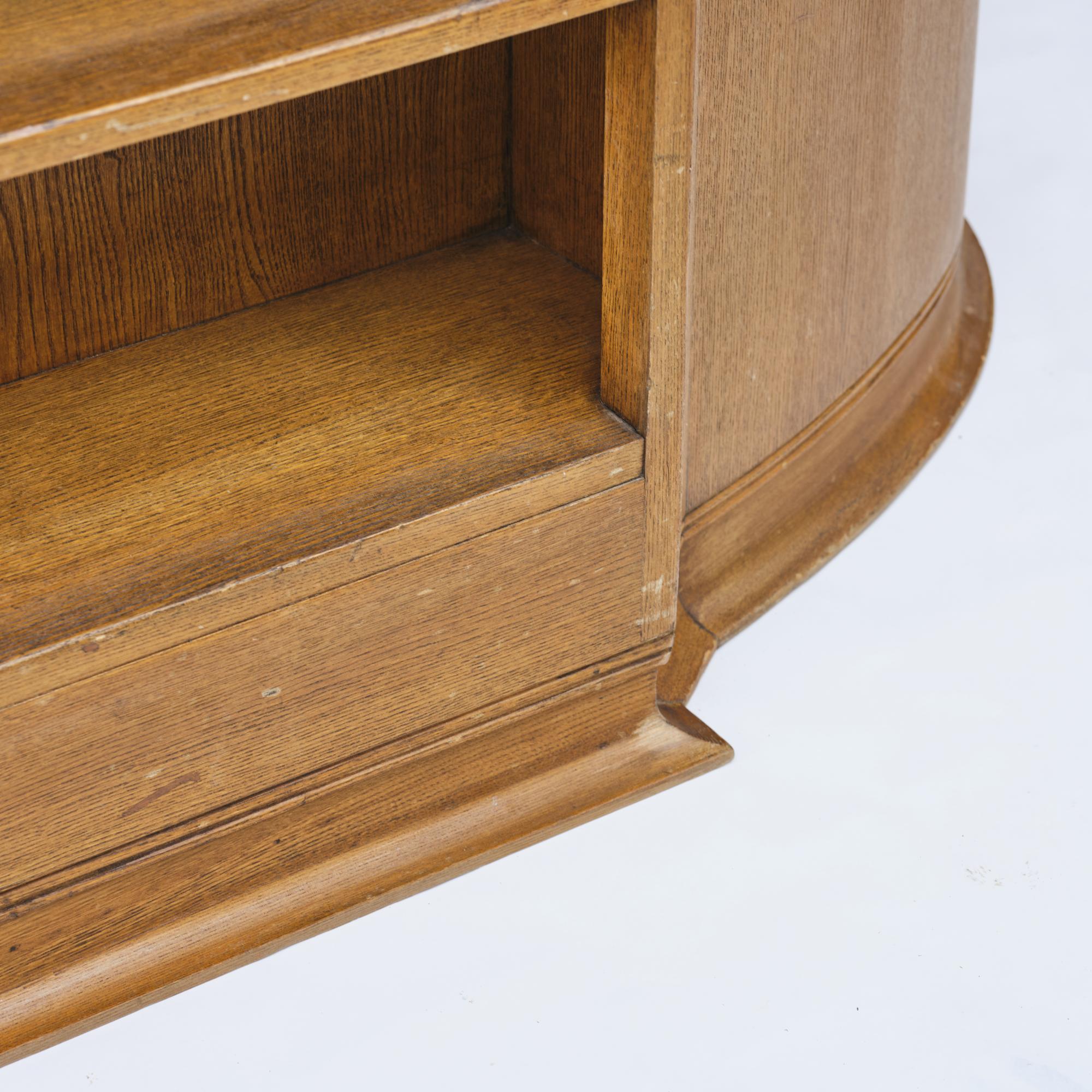
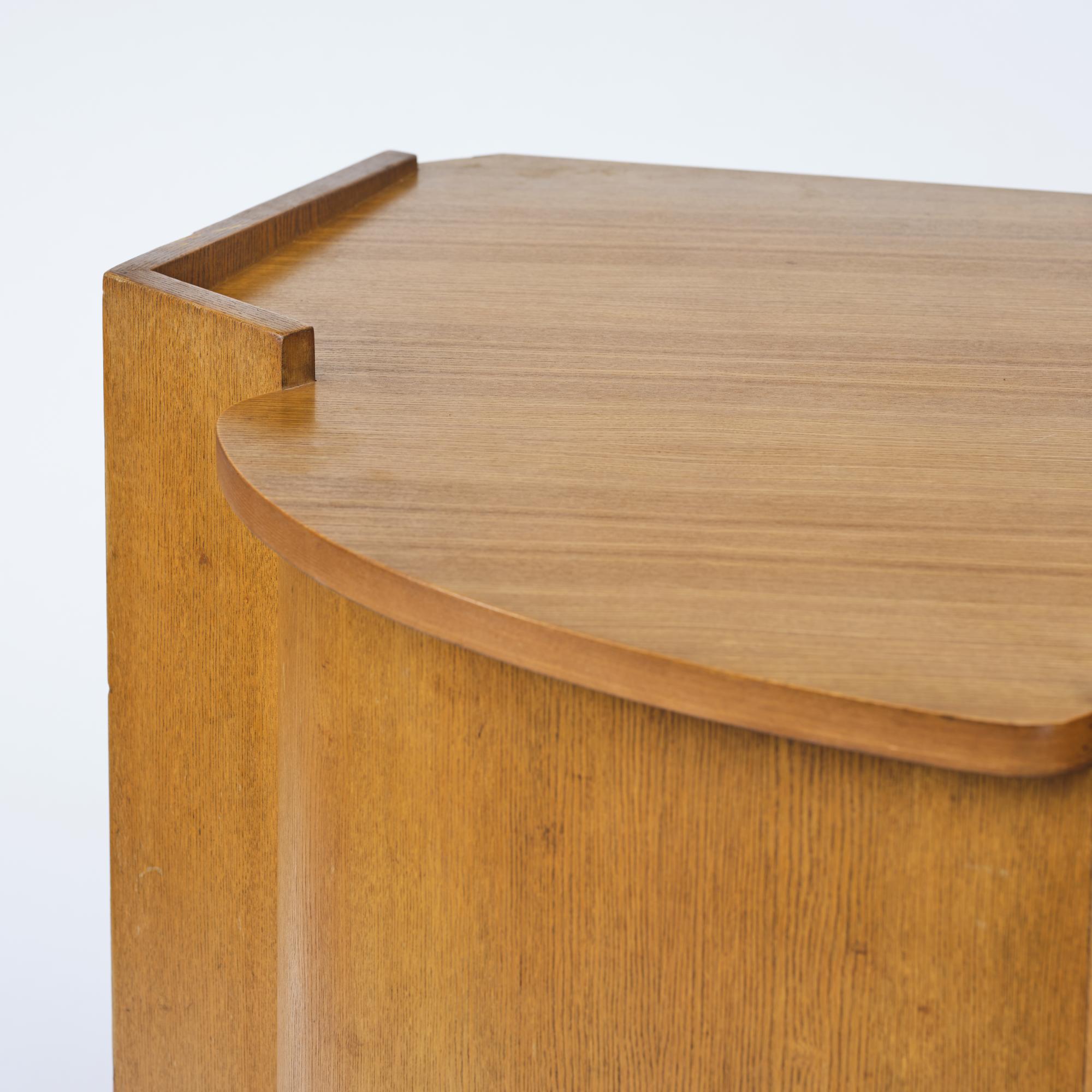
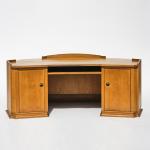
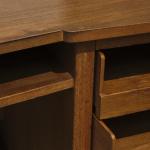
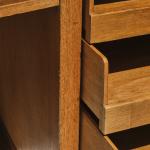
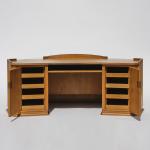
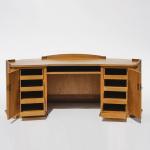
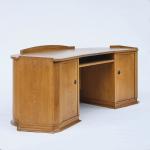
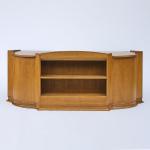
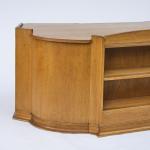
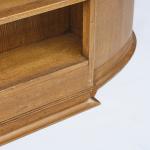
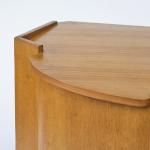
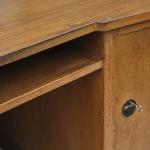
Desk, c. 1908
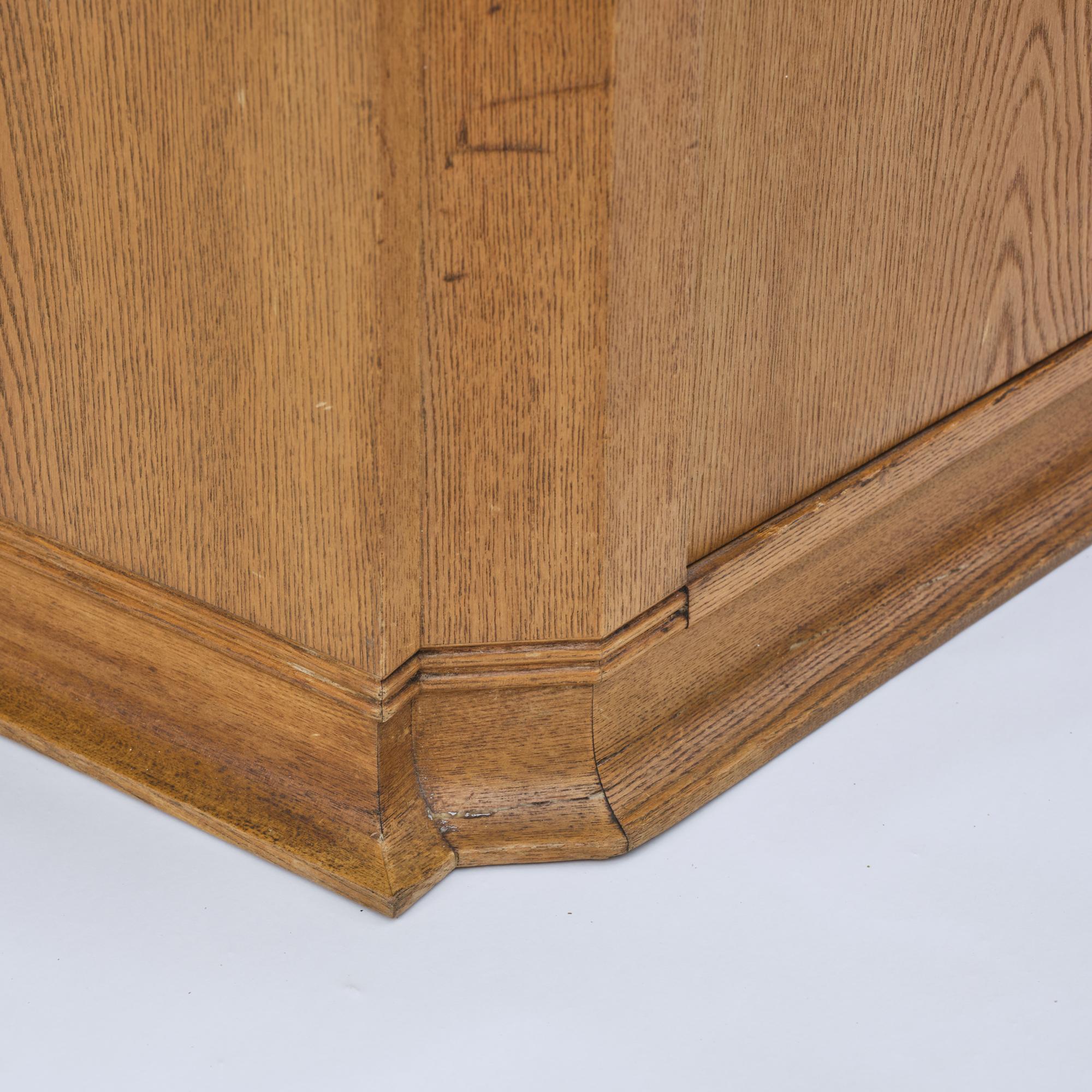
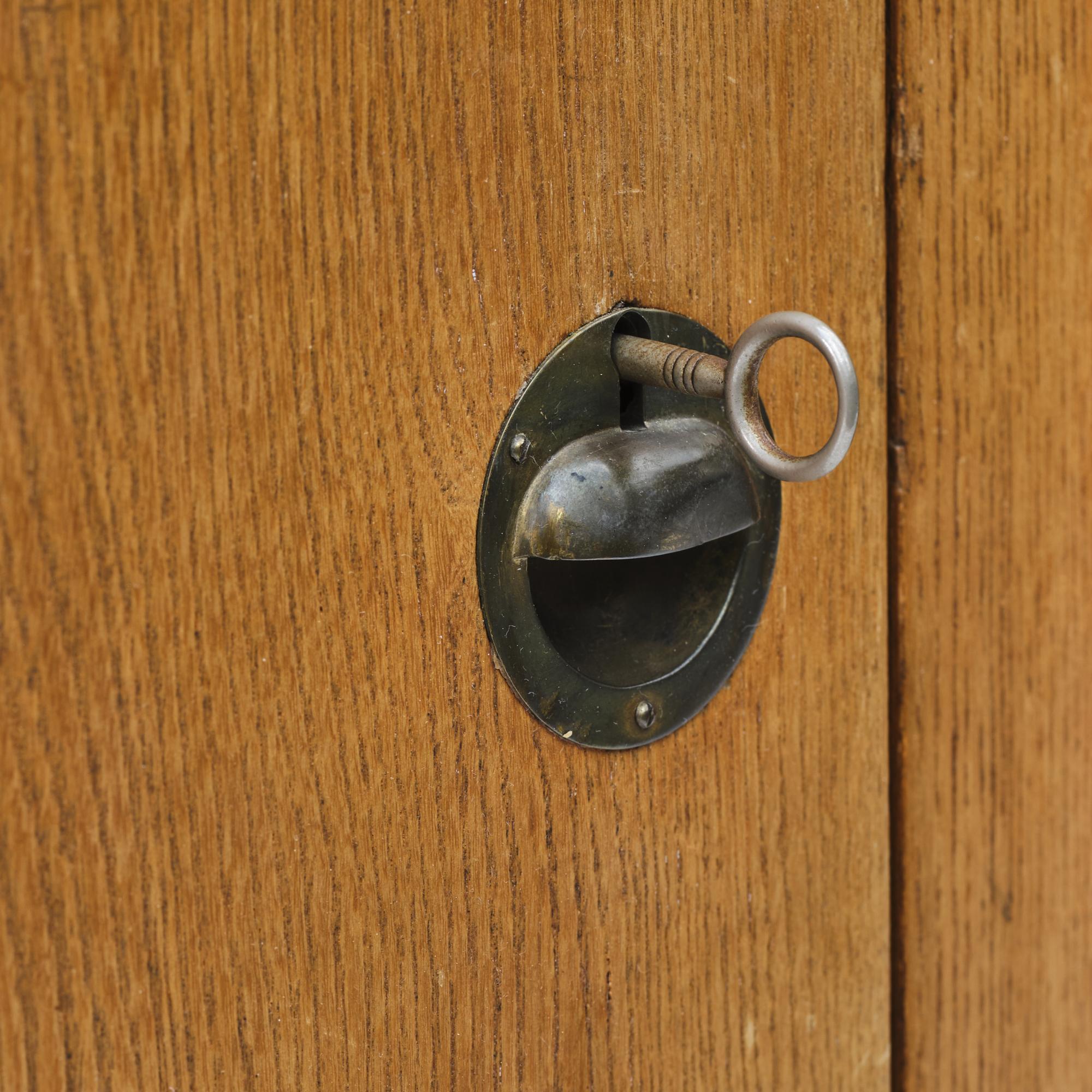
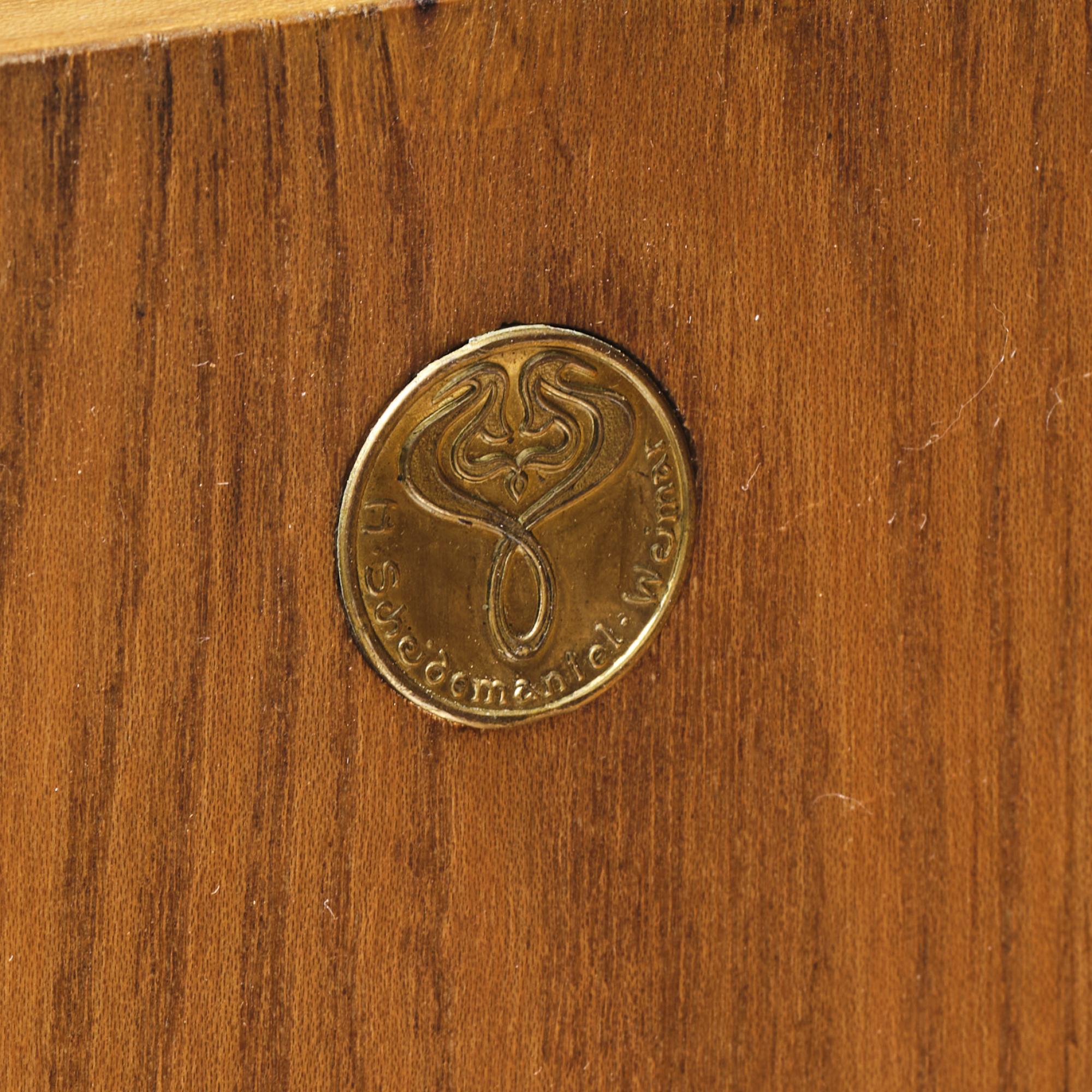
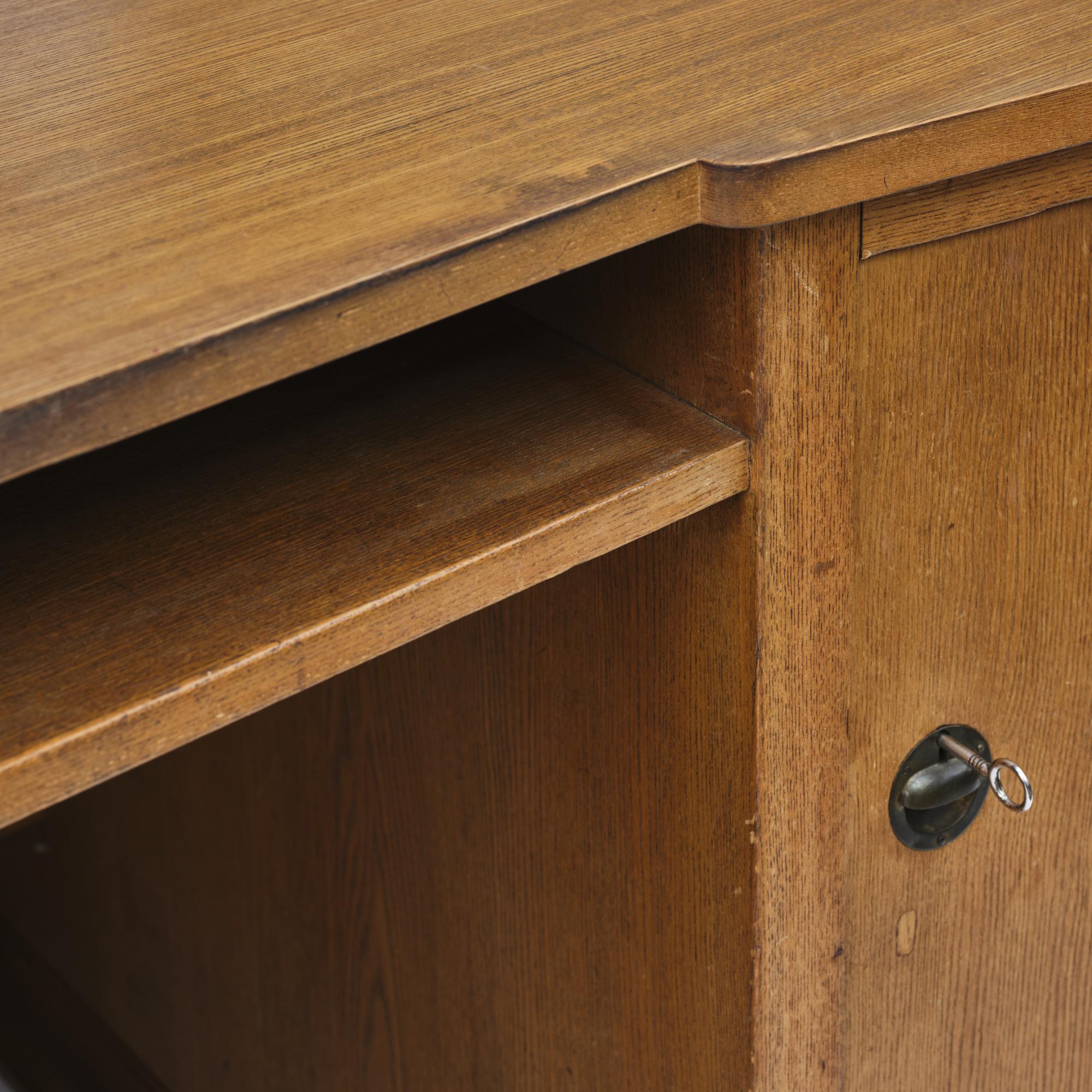
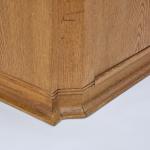
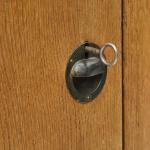
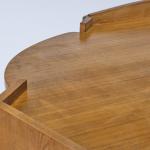
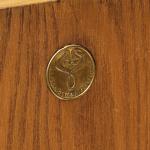
H. 77.5-85 cm, 215 x 96.5 cm. Execution: H. Scheidemantel, Weimar. Oak, brass fittings. Marked: Inside manufacturer's metal plaque with artist's signet.
Original design for 'Karl Ernst Osthaus' mansion Hohenhof.
Hammer Price: 9,000 €
16. June 2026 at 3:00 PM CEST
Literature:
Karl-Ernst Osthaus (1874-1921), who himself had studied philosophy and art history, was friends with many contemporary artists and architects. In his hometown of Hagen in what was then Prussia, he endeavored to create a counterpoint to Berlin, which dominated contemporary art. An artists' colony was to be created that could keep up with the existing ones in all areas. Reading the writings of the art critic Julius Meier-Gräfe, he became aware of the Belgian architect Henry van de Velde. From the very first personal meeting, it became clear that van de Velde was the right man to realize the interior design of the Folkwang Museum conceived by Osthaus, in which - as the first of its kind - contemporary art was to be exhibited. In 1902 the museum was opened in Hagen. Up until the First World War, Osthaus commissioned the Belgian with a number of projects. Along with the museum, the Osthaus family's home in the Hohenhof is still the most imposing building bearing witness to Velde's skills. He conceived it between 1906 and 1908 as a total work of art. Not only the building itself, but every detail, from the cutlery to the lighting to the cupboards of the interior design, stems from his pen. Osthaus, Henry van de Velde, Hagen, reprint 1984, p. 66.
Read our Terms & Conditions.